
 What is Social Security Disability?
What is Social Security Disability?
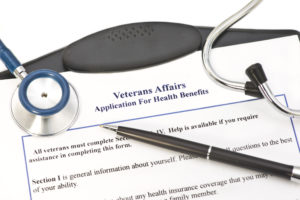 Obtaining VA benefits can often be a frustrating experience. There are many VA claims that are not approved due to common mistakes, such as filing out the application form incorrectly, not providing appropriate evidence of the medical symptoms and missing deadlines. Here are three key tips to improve the approval chances of your VA disability claim.
 In the United States, social security is a system in place which provides disability, retirement, and survivor’s insurance benefits to workers and their families. This program is administered by Social Security Administration, which collected around $20.9 trillion since its inception and paid out $18.0 trillion at the end of 2017, leaving reserves of $2.9 trillion. While most people receive full disability benefits, there are 4 factors, which can lower the amount or, in some cases, result in discontinuation of social security benefits.
There are millions of applications filed for Social Security Disability (SSD) benefits in the United States, out of which only 30% are approved by the Social Security Administration. There are numerous reasons for the rejection which may greatly vary from one case to another.
